

Prepaid eSIM Plans Unlock Flexible Connectivity Without Contracts
A traveler landing in a new country can avoid roaming fees by scanning a QR code to install a prepaid eSIM before the flight even lands. A prepaid eSIM is a digital SIM card you buy and activate online, which stores your mobile plan directly on your device without needing a physical card. The key benefit is instant connectivity at local rates, letting you manage your data, calls, and texts through a simple app or provider portal. To use it, just purchase a plan, download the eSIM profile, and follow on-screen setup steps—no store visit required.
Why Digital Roaming Is Replacing Plastic SIM Cards
Prepaid eSIMs are replacing plastic SIMs because digital roaming eliminates the physical swap. With a plastic SIM, you must locate a local store abroad, buy a physical card, and swap it, often losing your primary number. A prepaid eSIM lets you purchase and activate a data plan from your phone before landing. You keep your home SIM active for calls and 2FA, while the eSIM handles roaming data on a separate profile. This dual-SIM capability removes the need to carry spare plastic cards or manage tiny adapters. For travelers, this means instant connectivity without fumbling with SIM trays, making digital roaming a friction-free replacement for outdated plastic hardware.
The Shift Toward Virtual Profiles in Modern Phones
The shift toward virtual profiles in modern phones redefines connectivity by embedding carrier credentials directly into device firmware, bypassing physical SIM slots entirely. When you activate a prepaid eSIM, your phone downloads a digitally encrypted profile that the modem treats as an authentic SIM, storing it alongside multiple other profiles for rapid switching. This eliminates the need to insert or swap plastic chips; instead, you manage subscriptions through software menus, selecting a data plan and instantly provisioning a new virtual identity. The phone’s secure element isolates each profile, preventing cross-operator interference while enabling seamless roaming—your device holds your active plan’s credentials as a self-contained, reconfigurable file, not a replaceable card.
How Travelers and Minimalists Benefit From Instant Activation
For travelers and minimalists, instant activation eliminates the disruption of hunting for local SIM cards upon arrival. A traveler lands, scans a QR code, and connects immediately, bypassing language barriers and store queues. Minimalists benefit by rejecting a collection of plastic cards; their single eSIM profile switches regions in seconds. The logical sequence is clear:
- Purchase and download a plan before departure.
- Scan the activation QR code at any point with internet access.
- Begin data usage on the target network within minutes, with no physical insertion or removal.
This direct, on-demand connectivity respects their time and commitment to carrying less.
Key Differences Between Traditional Sims and Network Profiles
The core difference between a traditional SIM and a network profile for a prepaid eSIM is that the physical card is replaced by a secure, remote download. With a traditional SIM, the carrier locks you into a Singapore eSIM specific plastic card tied to one network; changing plans requires obtaining a new physical card. In contrast, a prepaid eSIM network profile is a software file stored directly on your device. You can switch between multiple profiles from different carriers instantly via device settings, without waiting for a physical SIM to arrive. This means a single phone can hold both your home profile and a separate international prepaid eSIM, enabling seamless roaming. The lack of a physical card eliminates the risk of damage or loss, granting superior flexibility for frequent travelers managing multiple prepaid plans.
Cost Structures That Favor Upfront Payment Models
In prepaid eSIM models, the cost structure eliminates recurring monthly bills by bundling data, talk, and text into a single fixed upfront payment. This pricing strategy avoids complex variable charges like overage fees or prorated throttling, giving users exact knowledge of their total expenditure before activation. The economic advantage becomes stark for travelers, as a single purchase precludes roaming surcharges that traditional postpaid plans often levy per day or megabyte. By locking the price at point of sale, providers remove the risk of bill shock, while users benefit from predictable budgeting across different global network profiles without hidden subscription drains on their finances.
Data-Only vs. Talk-and-Text Plans: What Travelers Need
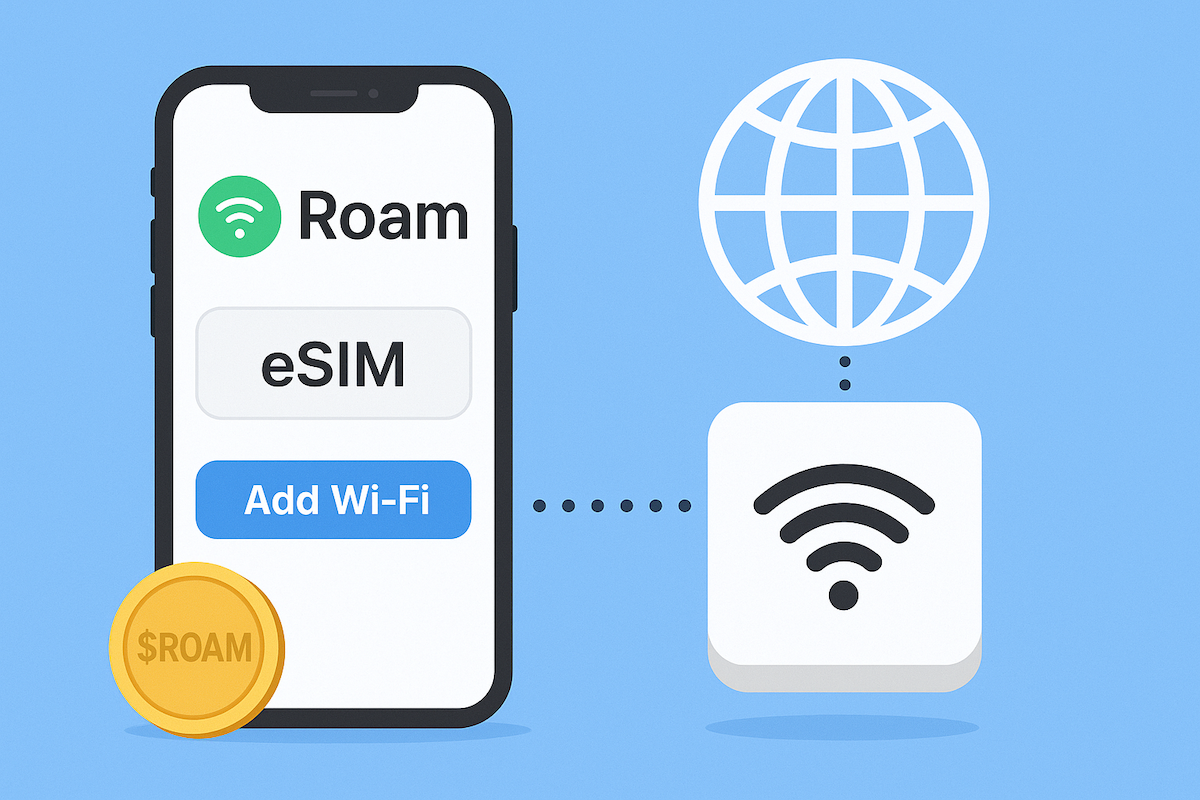
For travelers, choosing between a data-only and a talk-and-text prepaid eSIM depends entirely on communication needs. A data-only eSIM plan is ideal if you rely on Wi-Fi calling apps like WhatsApp or Skype for voice, and messaging apps for texting. This approach often lowers costs. Conversely, a talk-and-text plan provides a local phone number, which is essential for booking taxis, confirming hotel reservations, or contacting local services that may not accept VoIP. The table below highlights the core practical differences.
| Feature | Data-Only eSIM | Talk-and-Text eSIM |
|---|---|---|
| Primary Usage | Internet access for apps | Local calls & SMS |
| Local Number | No | Yes |
| Best For | Digital nomads & app users | Business travelers & logistics |
Top Providers for Temporary Connectivity Abroad

For temporary connectivity abroad, prepaid eSIM providers like Airalo, Holafly, and Nomad offer the most practical solution. Airalo provides local and regional data packages with instant activation, while Holafly specializes in unlimited data plans for heavy users. Nomad excels with flexible top-ups and no expiry on unused data. A key insight:
Always verify your device’s eSIM compatibility before purchasing, as some providers offer better coverage in specific regions than others.
These services eliminate physical SIM swaps, letting you buy, install, and activate a data-only plan from your phone in minutes, avoiding roaming fees.

Global Coverage Networks and Regional Specialists
When selecting a prepaid eSIM, you choose between global coverage networks and regional specialists. Global networks, like Airalo or Holafly, offer one eSIM spanning dozens of countries, ideal for multi-stop trips. Regional specialists, such as Yesim or eSIM Europe, provide deeper, more reliable connectivity within a specific continent or nation, often at lower per-GB costs and with local carrier partnerships that yield faster speeds. Your decision hinges on itinerary breadth versus localized performance.
Global networks prioritize breadth; regional specialists prioritize depth and speed within a focused area.
Comparing Price Per Gigabyte Across Major Vendors
When comparing price per gigabyte across major vendors like Holafly, Airalo, and Ubigi, you will find significant variance based on data volume and regional focus. For short trips, smaller 1GB packs often cost over $4 per GB, whereas mid-tier 10GB plans from Ubigi frequently drop below $1.50 per GB. Holafly’s unlimited plans, while convenient, typically carry a higher effective per-gigabyte cost for heavy data users. To maximize value, scrutinize regional vs. global plan rates, as a local Asia pack can be 60% cheaper than a world plan from the same vendor.
Ultimately, the cheapest price per gigabyte is almost always found in mid-range data packs from regional-centric vendors, not global or unlimited plans.
Steps to Activate a Digital Plan Without a Physical Card
To activate a prepaid eSIM without a physical card, first purchase a digital plan from a provider’s website or app. You will receive a QR code or a manual activation code via email. On your device, go to Settings > Cellular > Add Cellular Plan, then scan the QR code or enter the details. Do not remove your primary physical SIM until the eSIM profile is fully installed and active to avoid losing connectivity. After installation, assign the eSIM as your default data line. The plan activates immediately upon connection to a supported network; no physical card swap is needed.
Checking Device Compatibility and Carrier Unlock Status
Before activating a prepaid eSIM, you must first verify device compatibility and carrier unlock status. Check your phone’s settings or manufacturer’s website for eSIM support, as older models often lack this hardware. Simultaneously, confirm the device is carrier-unlocked—locked phones cannot register a new eSIM provider. Contact your current carrier or check your account to ensure no restrictions remain. Without meeting both conditions, activation will fail. Perform these checks via IMEI lookup tools or carrier portals to avoid wasted time on an incompatible or locked device.
Purchasing and Scanning a QR Code in Minutes
To activate a prepaid eSIM without a physical card, you can purchase a plan and scan a QR code within minutes. After selecting your data package on the provider’s website, you instantly receive a QR code via email. Open your phone’s settings, navigate to “Add Cellular Plan,” and scan the code directly from the screen. Instant QR activation requires no physical insertion or wait time. Your eSIM profile downloads immediately, granting mobile data access in moments. You must ensure a stable Wi-Fi connection during the scan to avoid activation errors.
Purchasing and scanning a QR code in minutes delivers immediate prepaid eSIM activation, bypassing the need for a physical card entirely.
Managing Multiple Numbers on One Handset
Managing multiple numbers on one handset becomes effortless with prepaid eSIM technology. You can instantly activate a second line for work or travel without juggling physical SIM cards, keeping your primary number untouched. Each eSIM profile operates independently, letting you switch between numbers in settings or even use dual SIM standby for simultaneous reception of calls and texts. A prepaid eSIM for a temporary local number means you avoid roaming fees while keeping your home line active for verification codes. This dynamic control simplifies your digital life, as you can add, remove, or pause numbers on demand with zero hassle.
Keeping Your Home Line Active While Using a Tourist Plan
To keep your home line active while using a tourist plan, install the prepaid eSIM for travel data and maintain your physical SIM or primary eSIM for your home number. Disable data roaming on your home line to avoid unexpected charges, and ensure Wi-Fi calling is activated on it if your carrier supports it over the tourist eSIM’s data connection. A simple sequence to follow:
- Enable the tourist eSIM as your primary data line in your phone’s cellular settings.
- Set your home eSIM as the voice line, with roaming turned off.
- Toggle on Wi-Fi calling for your home line so calls route through the tourist eSIM’s internet.
Switching Between Work and Leisure Profiles Easily
Switching between work and leisure profiles on a prepaid eSIM handset relies on toggling distinct digital profiles without physical SIM swaps. Each profile stores separate prepaid plans, contacts, and app configurations, allowing you to deactivate the work number during off-hours while keeping the leisure line active. This process is managed through the device’s eSIM settings, where you enable one profile and disable another instantly. Prepaid eSIMs eliminate contract lock-in, so seamless profile toggling remains unencumbered by billing ties. Logical separation of data and voice ensures you never miss a personal call while away from work, maintaining boundaries with zero hardware changes.
Switching Between Work and Leisure Profiles Easily: Activate or deactivate prepaid eSIM profiles instantly on one handset to enforce clear digital boundaries without swapping cards or managing multiple phones.
Hidden Fees and Fine Print to Watch For
Watch for data throttling after “unlimited” caps, where speeds drop to unusable levels, often buried in service terms. Activation or top-up convenience fees may appear at checkout, adding costs beyond the advertised plan price. Scrutiny of the refund policy is crucial; many prepaid eSIMs are strictly non-refundable even if unused. Some providers also impose short expiry windows on data allowances, rendering remaining balance worthless if not consumed within a set period. Always verify whether “unlimited” includes a fair-use limit and what happens to unused data upon plan expiry.
Throttling Policies After Exceeding High-Speed Caps
After your prepaid eSIM’s high-speed data cap is exhausted, throttled speeds typically drop to 128 kbps or 256 kbps, rendering video streaming and large file downloads impractical. This reduction is applied automatically by the provider, often without notification. Throttling persists for the remainder of the plan’s validity period unless you purchase a top-up. Check the policy to confirm if zero-rated apps (e.g., maps) are also affected; most are not exempt. This hidden degradation is a primary cost-saving mechanism for carriers.
Throttling after high-speed caps sharply reduces throughput to 64–256 kbps, blocking interactive use until a new plan is purchased.
Top-Up Frequency and Automatic Refills
Many prepaid eSIM plans appear affordable only because they bury their automatic refill and top-up frequency terms in fine print. A provider may require you to purchase a new data pack every 14 days, not monthly, effectively doubling your expected cost. Worse, «auto-refill» can be toggled on by default, charging your card before you notice the balance is gone. Question: What happens if I disable automatic refills? Answer: Your data stops immediately at the expiration date, not when the data is used up, which can leave you stranded at an airport.
Best Use Cases for Short-Term Digital Subscriptions
Traveling to Japan for a two-week vacation became seamless because I picked up a short-term digital subscription for a prepaid eSIM. Instead of hunting for a physical SIM at the airport, I activated a 14-day data plan through my phone’s settings while still in the taxi. For digital nomads jumping between countries, a weekly prepaid eSIM subscription means no contract lock-ins, enabling instant connectivity in each new city. Similarly, during a layover in Dubai, a 24-hour prepaid eSIM subscription saved me from expensive roaming, letting me stream maps and book a last-minute hotel. The real power emerges in flexible travel itineraries: you pay only for the days you need, cancel or top up via an app, and avoid the hassle of swapping physical cards or paying daily carrier fees.
Weekend Getaways and Business Trips Under Two Weeks
For weekend getaways and business trips under two weeks, a prepaid eSIM provides immediate, contract-free connectivity tailored exactly to your short stay. Activate a data package upon arrival at your destination, avoiding physical SIM swaps or roaming fees for a Friday-to-Monday city break. Short-term prepaid eSIM plans perfectly match the duration of a week-long conference or a client meeting series, ensuring continuous access to maps, messaging, and work apps. This is particularly effective when layering a local data plan over your primary carrier for urgent out-of-hours correspondence. You gain reliable internet without the commitment of a monthly subscription, ending the service automatically when you depart.
Cross-Border Road Trips Requiring Seamless Handoffs
For cross-border road trips, a prepaid eSIM eliminates the constant scramble for local SIMs at every new country. The core need is seamless handoffs between regional networks as you drive, ensuring your navigation never glitches and streaming playlists don’t buffer during border crossings. You simply cross a border, and the eSIM automatically latches onto the next available tower without you touching your phone.
- Auto-connects to a local tower the moment you cross, avoiding manual activation at gas stations.
- Keeps real-time traffic and rerouting apps live through multiple country zones.
- One digital plan covers your entire itinerary, from the start point to the final destination.
Security and Privacy Advantages of Temporary Connectivity
Prepaid eSIMs enhance security for temporary connectivity by eliminating a permanent link between your identity and network access. Since the data plan expires, there is no ongoing billing metadata or persistent device registration that could be traced back to you after use. This reduces the risk of long-term location tracking or behavioral profiling by the carrier. A key privacy advantage is the ease of disposal; you can simply delete the eSIM profile without waiting for contract termination or account closure. Q: How does a temporary prepaid eSIM prevent data retention? A: It creates a finite, self-contained session where network logs and usage data are automatically severed once the plan expires, as there is no perpetual account to archive the information against.
Avoiding Permanent Contracts for Data Sensitive Users
For data-sensitive users, avoiding permanent contracts with prepaid eSIM eliminates long-term data exposure risks. Since no billing relationship or continuous identity profile is stored, there is no persistent record linking usage to an individual. A brief Q&A addresses a key concern: How does a prepaid eSIM protect my privacy without a contract? By design, prepaid eSIMs operate on a pay-as-you-go basis, requiring no credit card on file or recurring billing agreement. This ensures that once the data balance is depleted, the connection terminates entirely, leaving no residual access for providers to monitor or monetize your activity. This ephemeral connectivity is a practical wall against unwarranted digital surveillance.
Disposable Numbers for Online Verification and Two-Factor Logins
Using a prepaid eSIM provides disposable numbers for online verification and two-factor logins, acting as a dedicated line for one-time codes. This approach shields your primary number from spam and data scraping by routing SMS-based verifications to a temporary number you can discard after use. Account recovery becomes simpler, as you avoid tying critical access to a permanently exposed contact. The eSIM’s virtual nature allows instant replacement if the number is compromised, while preventing cross-service tracking across multiple accounts.
- Receive time-limited SMS codes without revealing a personal phone number
- Easily regenerate a new verification number if the current one is breached
- Separate account logins from personal messaging or banking lines
Future Trends in Pay-as-You-Go Connectivity
Future prepaid eSIMs will shift toward real-time, AI-driven instant top-up, where your connected device auto-purchases bandwidth from a global pool based on current consumption. Imagine paying by the megabyte for a drone livestream then switching to a zero-rate data lane for your wearables. Q: How will billing adapt? A: You’ll set a spending cap per day, and the eSIM will dynamically route your traffic to the cheapest carrier node within the network, ending bill shock entirely. This makes prepaid connectivity as fluid as a utility meter, not a subscription.
Integration With IoT Devices and Shared Family Plans
Prepaid eSIMs are evolving to support unified family and IoT management, allowing a single account to provision connectivity for smart home sensors, wearables, and children’s tablets. You can allocate data quotas across devices and top up only the line that runs low, eliminating separate bills. A parent’s phone becomes the control hub for their child’s watch or a connected car’s backup data. **Q: Can I share one prepaid eSIM data pool between my phone and a smart thermostat?** A: Yes. Emerging platforms let you assign partial data allowances from your main eSIM to paired IoT devices, with automatic cut-offs when the shared cap is reached. This turns prepaid eSIMs into a flexible alternative to rigid family postpaid plans.
Zero-Effort Changing of Networks via Aggregator Apps

Aggregator apps enable automatic network switching for prepaid eSIM users without manual intervention. These apps monitor real-time signal strength and data speed across multiple local carriers, instantly migrating your connection to the optimal provider. You never select a network; the app does it transparently while maintaining your eSIM profile intact. This hands-free process eliminates downtime for reconfiguration, relying on algorithms that balance performance against remaining data credits. The result is seamless connectivity as you move between regions, with the aggregator managing underlying carrier swaps invisibly.
Zero-Effort Changing of Networks via Aggregator Apps means the prepaid eSIM user experiences constant optimal connectivity without ever manually selecting or provisioning a new carrier.
What Makes a Prepaid eSIM Different From a Physical SIM
How the Embedded Chip Eliminates the Need for a Plastic Card
Why Activation Happens Instantly Without a Store Visit
