

Debunking popular myths about gambling What you really need to know
The Myth of ‘Lucky’ Systems
Many gamblers cling to the idea that certain strategies or systems can guarantee wins. This notion often leads players to invest time and money into elaborate schemes, believing they have discovered a secret formula to beat the odds. However, the reality is that gambling games, whether they are poker, blackjack, or online casinos, are fundamentally based on chance and probability. No system can alter the inherent randomness of these games.
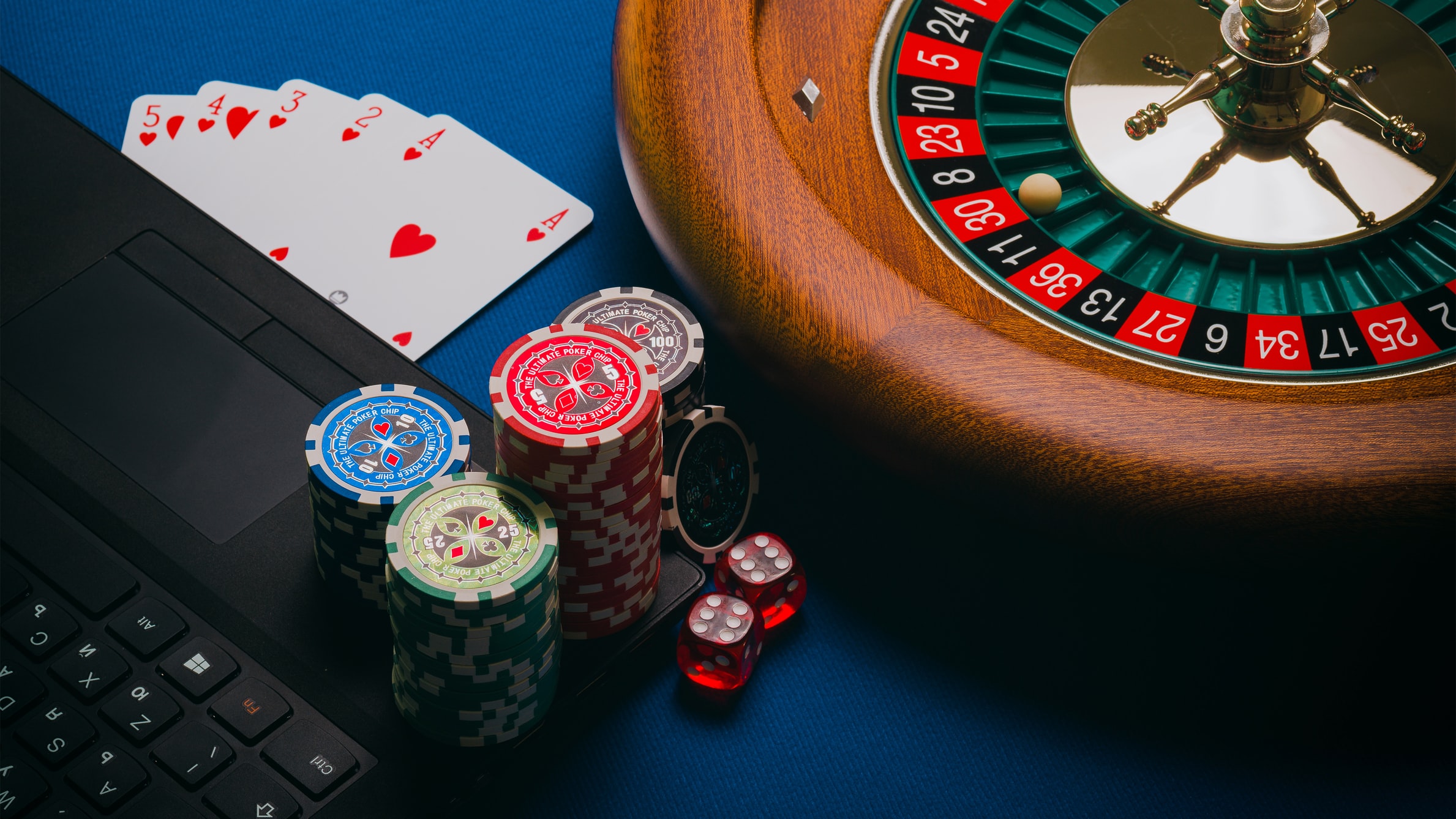
In fact, many of these so-called “lucky” systems can lead to increased losses. Players may become overconfident and gamble more than they should, thinking they have an edge. Understanding that gambling is a form of entertainment rather than a reliable source of income is crucial for responsible play.
The Fallacy of the ‘Due’ Win
Another common myth is the belief that a game of chance is ‘due’ for a win after a series of losses. This is rooted in a misunderstanding of probability. Each spin of a slot machine or each hand of cards is an independent event; past outcomes do not influence future results. Thus, thinking that a win is overdue can lead to poor decision-making and increased risk.
This misconception is often exacerbated by the emotional highs and lows of gambling. Players may feel compelled to continue wagering, hoping for that elusive win. Recognizing that each game operates independently can help manage expectations and promote a healthier approach to gambling.
The Notion of Rigged Games
Many people believe that casinos and online gambling platforms manipulate games to ensure players always lose. While it’s true that casinos have a built-in edge, this is not the same as rigging. The house edge is based on probabilities and statistics, which are transparent and regulated. This misunderstanding can breed distrust and lead to a negative gambling experience.
Moreover, reputable casinos are subject to strict regulations and audits to ensure fair play. Recognizing the difference between a house edge and rigging can alleviate some of the anxiety that comes with gambling, allowing players to enjoy the experience rather than worry about being cheated.
The Misconception About Gambling Addiction
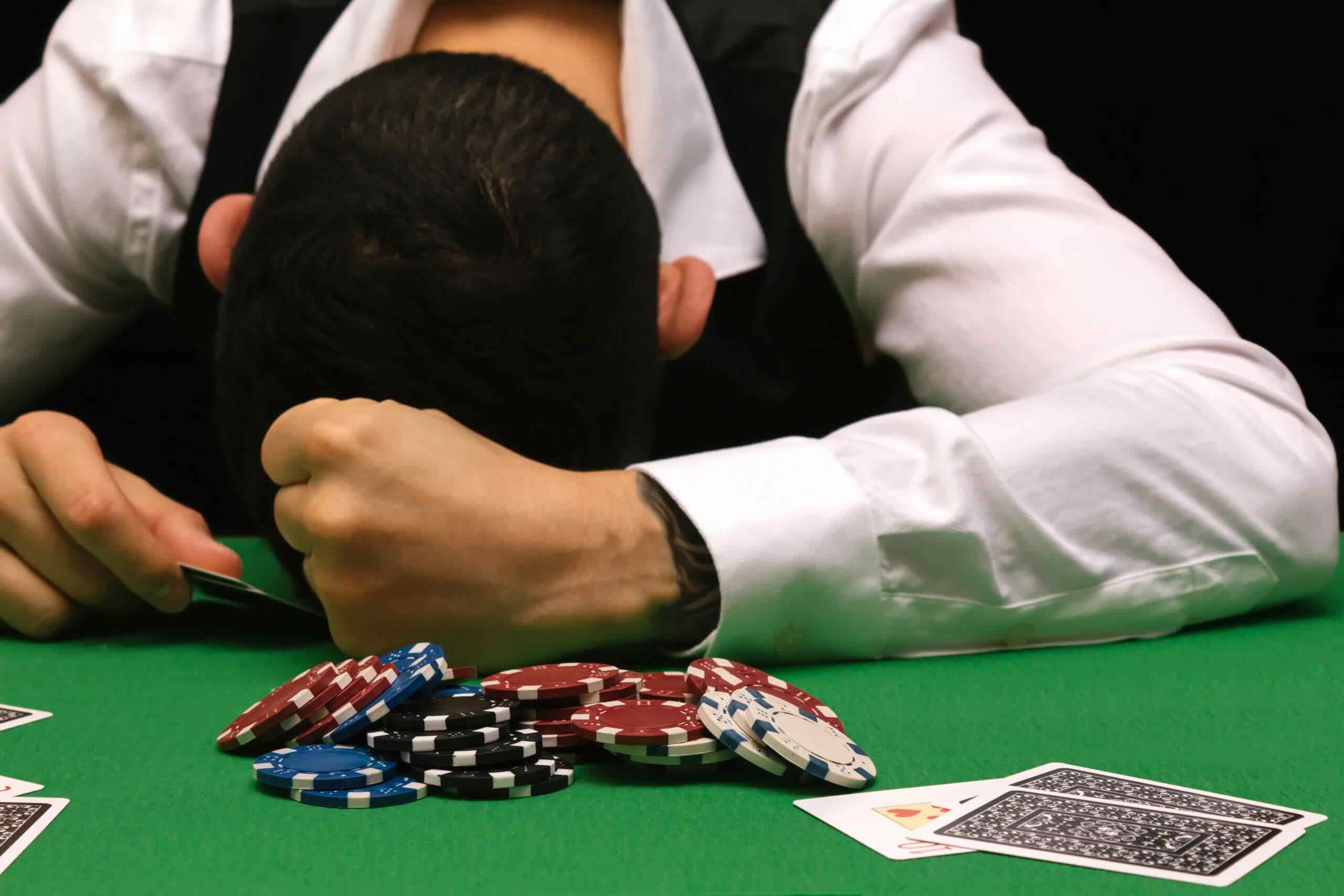
Gambling addiction is often misunderstood. Many people assume that only certain types of gamblers, such as high rollers, can develop an addiction. In reality, anyone can become addicted to gambling, regardless of their playing style or frequency. This myth trivializes the serious nature of gambling addiction and can hinder individuals from seeking help.
Understanding that gambling addiction can affect anyone is essential for fostering awareness and encouraging responsible gambling. Early signs of problem gambling include chasing losses and feeling anxious when not gambling. By acknowledging these signs and seeking help, individuals can address their gambling habits before they escalate.
Discover More About Responsible Gambling
For those looking to deepen their understanding of gambling myths and learn about responsible practices, our website offers a wealth of resources. We strive to provide accurate information and guidance to help both new and experienced gamblers navigate the complex world of gambling safely.
By promoting awareness and education, we aim to debunk common myths and empower players to make informed decisions. Our commitment to responsible gambling ensures that everyone can enjoy the thrill of gaming without falling prey to common misconceptions.