

Understanding the psychology of casino players An in-depth analysis
The Allure of Gambling
The psychology of casino players begins with understanding the allure of gambling. Casinos are designed to create an immersive experience, appealing to various senses through vibrant colors, sounds, and the thrill of winning. This sensory overload can evoke excitement and anticipation, drawing players into the environment. Players may find themselves captivated by the atmosphere, fostering an emotional connection that can lead to prolonged play. For those looking to simplify their gaming experience, the playid login is essential for easy access to multiple platforms.
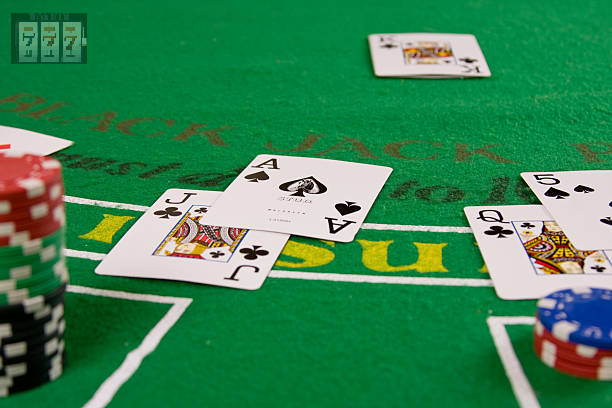
Additionally, the thrill of risk and the possibility of winning large sums can trigger a rush of adrenaline. This physiological response is similar to what one might feel during extreme sports or other risk-taking behaviors. Many players thrive on this excitement, often prioritizing the experience of gambling over financial considerations. This emotional high can create a cycle of engagement, making it hard for players to walk away, even after experiencing losses.
Understanding the allure also involves recognizing that players often use gambling as an escape from daily stressors. The casino environment provides a temporary refuge from reality, where individuals can immerse themselves in a world of fantasy and potential fortune. This escapism can be particularly appealing to those dealing with life’s pressures, making the act of gambling not just a financial decision but a psychological one.
The Role of Cognitive Biases
Cognitive biases play a significant role in the decision-making processes of casino players. One common bias is the illusion of control, where players believe they can influence outcomes in games of chance. For instance, a player might think that their strategies in games like poker can significantly improve their odds, despite the inherent randomness of the game. This misconception fuels a sense of empowerment, leading to increased participation and, in many cases, substantial financial investment.
Another prevalent bias is the gambler’s fallacy, where individuals believe that past events affect future probabilities. A player may think that if a certain slot machine has not paid out for a while, it is «due» for a win. This belief can lead to persistent play, as players chase the idea of an inevitable payout. Such biases often distort a player’s perception of risk and reward, driving them deeper into gambling behavior that may not align with rational financial planning.
Moreover, reinforcement schedules used in casinos can exacerbate these cognitive biases. Variable rewards—where players win unexpectedly or inconsistently—create a powerful feedback loop that keeps them returning. This unpredictability taps into the brain’s reward system, making losses feel like temporary setbacks rather than definitive ends. Consequently, players may find themselves caught in a cycle of chasing losses, propelled by cognitive distortions that skew their understanding of luck and chance.
The Impact of Social Influences
Social influences heavily affect the psychology of casino players. Many individuals begin their gambling journeys through social interactions, often influenced by peers or family. The social acceptance of gambling can create a sense of community and shared experience, reinforcing the idea that gambling is a normal activity. This peer pressure can lead individuals to participate in gambling, even if they might not have done so independently.
Moreover, casinos often promote social environments through group gaming experiences or events. These gatherings create a festive atmosphere, making gambling feel more like a communal activity rather than a solitary endeavor. Players may be more willing to gamble when surrounded by friends or fellow enthusiasts, leading to increased spending and engagement. Such environments can blur the lines between casual fun and serious financial risk, as the social component can downplay the potential negative consequences.
Additionally, the portrayal of gambling in media can shape attitudes and behaviors. Movies and television often glamorize casino life, depicting it as an exciting and thrilling venture. This cultural narrative can lead to unrealistic expectations about winnings and the overall gambling experience. When individuals enter casinos with these inflated perceptions, they may engage more impulsively, driven by the allure of the lifestyle portrayed on screen.
Understanding Problem Gambling
Problem gambling is a critical aspect of understanding casino player psychology. For some individuals, gambling evolves from a recreational activity into a compulsive behavior that disrupts their lives. This transition can occur gradually, often beginning with harmless social play that escalates into more significant financial stakes. Recognizing the signs of problem gambling is vital, as early intervention can lead to better outcomes.
Various factors contribute to problem gambling, including psychological, genetic, and environmental influences. For example, individuals with anxiety or depression may use gambling as a coping mechanism, inadvertently fostering a cycle of dependence. Additionally, those with a family history of gambling issues may be more susceptible to developing similar patterns, highlighting the complex interplay of biology and environment.
Support systems play an essential role in addressing problem gambling. Education about responsible gambling and access to resources can help individuals recognize when their behavior has become problematic. Support groups and counseling services can provide avenues for recovery, offering strategies to manage urges and re-establish control over one’s finances and emotional health. Addressing the psychological aspects of gambling is crucial for fostering a healthier relationship with gambling activities.

Enhancing Your Gaming Experience with PlayID
In the realm of online gaming, managing your experience is paramount, and PlayID offers an innovative solution. This platform acts as an e-wallet and login hub specifically designed for Australian online gamers, consolidating your gaming identity and funds into a single, secure application. The streamlined process eliminates traditional registration hassles, allowing for instant access to various partner casinos.
PlayID enhances the gambling experience by facilitating quick deposits and withdrawals, backed by built-in identity verification. This level of efficiency allows players to focus on their gaming strategies rather than the administrative aspects of gambling. Moreover, with exclusive promotions and the potential to earn up to 10% annual interest on idle funds, PlayID rewards users for their engagement in a way that traditional systems often overlook.
Ultimately, PlayID represents a modern approach to online gaming, recognizing the importance of player psychology in enhancing the overall experience. By addressing the needs for security, convenience, and rewarding engagement, PlayID is positioned to become a vital part of the online gaming landscape, helping players manage their experiences more effectively while enjoying the thrill of gaming.